Table of Contents

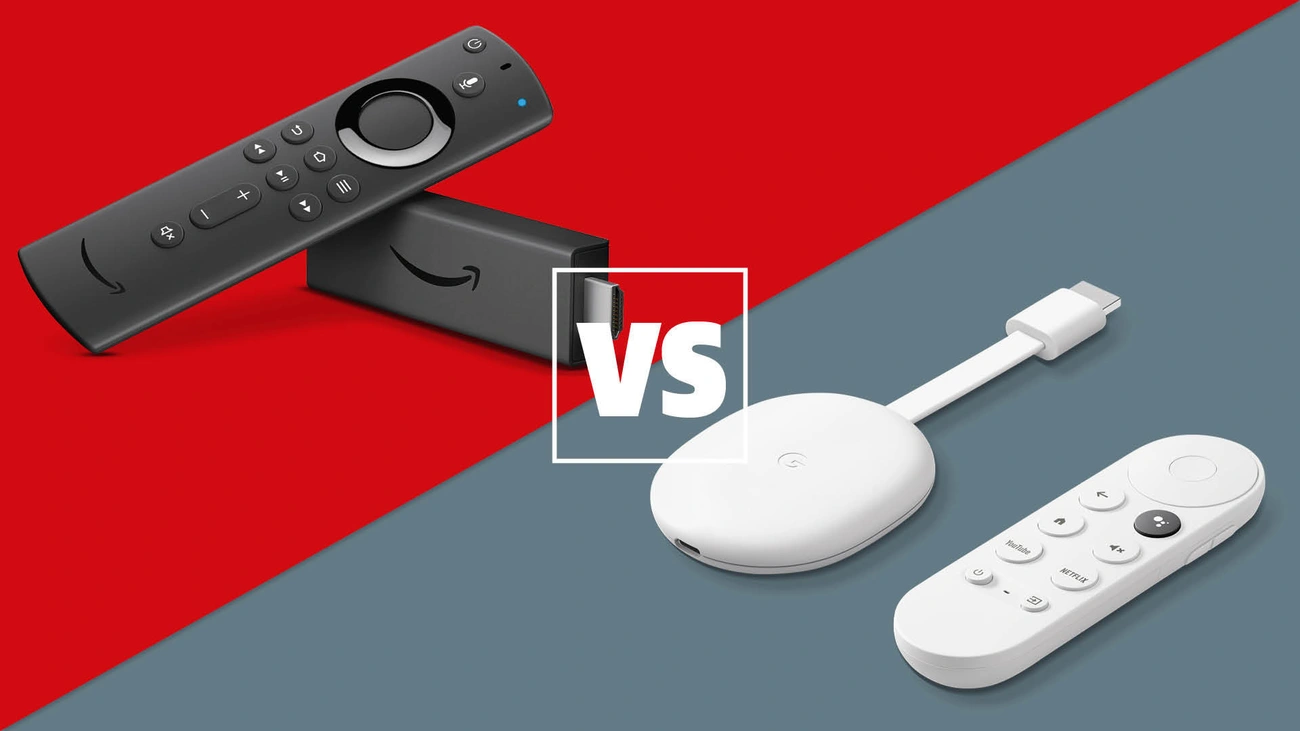
Choosing the right streaming stick for your smart TV box for tv can feel overwhelming with so many options available. Standard streaming sticks offer simplicity and ease of use, however, an android tv stick brings more flexibility and customization to your viewing experience. Both types of tv stick deliver access to popular streaming apps, but they differ significantly in operating systems, app availability, and performance capabilities. Essentially, the android tv on a stick provides a full Android experience, while traditional stream tv stick options focus on streamlined content delivery. This guide breaks down the key differences to help you decide which device suits your needs best. However, the device alone doesn’t define your experience — the content you access plays an equally important role.
For many UK users, combining a streaming stick with a reliable IPTV service like Xtream4k unlocks a much wider range of channels, sports, and on-demand content.
What is a Streaming Stick?
A streaming stick takes the form of a compact, thumb drive-sized device that plugs directly into your TV’s HDMI port. The Roku Streaming Stick measures 3.1 by 1.1 by 0.5 inches 1, while earlier models were even smaller at 2.7 by 1 by 0.4 inches 1. These devices eliminate the need for bulky set-top boxes and connect to your home WiFi network to deliver streaming content without occupying entertainment center space.
Popular Streaming Stick Brands and Models
Fire TV dominates the streaming stick market with multiple models at different price points. The Fire TV Lite starts at GBP 23.82, while the Fire TV HD retails for GBP 31.76 2. Premium options include the Fire TV Stick 4K at GBP 39.70 and the Fire TV 4K Max at GBP 47.64 2. Roku offers the Streaming Stick 4K and Streaming Stick Plus as popular alternatives, both featuring simplified interfaces and extensive app libraries. Google’s Chromecast represents another major player, with the HD version priced at GBP 46.86 and the 4K model at GBP 78.62 3.
Key Features of Standard Streaming Sticks
Standard streaming sticks plug into HDMI ports and require power through either a USB connection to your TV or a wall adapter 1. Most devices now include dedicated remote controls with voice assistant integration. Fire TV sticks come with Alexa Voice remotes featuring built-in microphones, power buttons, and volume controls 2. Roku provides RF remote controls that work without line-of-sight requirements 1.
Casting capabilities allow users to send content from smartphones to their TV screens. Roku devices enable Netflix and YouTube video casting directly from phones, plus support for locally stored videos, photos, and music 1. Mobile apps serve as alternative remote controls, giving users additional navigation options beyond physical remotes.
Typical Hardware Specifications
Budget streaming sticks output video at 1080p resolution with HDR support 2. The Fire TV Stick HD and Lite models both stream Full HD content and support HDR10 format 4. Premium 4K models deliver significantly enhanced capabilities. The Fire TV Stick 4K (2nd Gen) features a Mediatek MT8696D processor with 4x ARM Cortex-A55 cores running up to 1.7 GHz, paired with 2GB LPDDR4 RAM and 16GB storage 4.
Video codec support spans multiple formats. Fire TV 4K models handle H.265 (HEVC) up to 4K at 60 fps, H.264 up to 4K at 60 fps, VP9 up to 4K at 60 fps, and AV1 up to 4K at 60 fps 4. HDR formats include HDR10, HDR10+, HLG, and Dolby Vision 4. Audio capabilities extend to Dolby Atmos, with support for 5.1 and 7.1 surround sound pass-through 1.
WiFi connectivity requires sufficient bandwidth for smooth streaming. Roku recommends a minimum of 1.5 Mbps for standard definition and 3.0 Mbps for HD content 1. Modern sticks support 802.11a/b/g/n dual-band WiFi 1, with newer models incorporating Wi-Fi 6 technology for faster, more stable connections. Netflix suggests 25 Mbps or higher for 4K streaming 5.
Supported Streaming Services
According to a 2024 Forbes survey, the 10 most popular streaming services are Netflix, Prime Video, Disney+, Max, Paramount+, Hulu, Peacock, ESPN+, AppleTV, and Starz 2. Fire TV sticks provide access to all these platforms, plus over 1.5 million movies and TV episodes 2. Amazon Prime members receive access to Prime Video, though ad-free viewing requires an additional GBP 2.37 monthly fee 2. Free streaming options exist through services like Amazon’s Freevee, which offers thousands of movies and TV shows supported by advertisements
While these platforms offer a wide range of content, many users find themselves limited by multiple subscriptions and rising monthly costs.
This is where IPTV services provide a more flexible alternative. With Xtream4k, you can access a large selection of UK and international channels in one place, without switching between multiple apps.
Choosing the right content source is just as important as choosing the right device.
What is an Android TV Stick?
An Android TV stick plugs directly into your TV’s HDMI port to transform any display into a smart entertainment system 4. These compact devices run the Android operating system and function as small form factor computers that use your television as a display 4. The primary distinction from standard streaming options lies in the operating system and customization potential.
How Android TV Sticks Differ from Regular Streaming Sticks
Android TV sticks provide access to the Google Play Store, which contained over 10,000 compatible apps by May 2022, up from 6,500 at launch 4. This expanded app ecosystem gives users broader software choices compared to proprietary platforms. The devices support sideloading APK files, allowing installation of applications not available through official channels 6. Users can modify the interface with third-party launchers, a capability absent in most standard streaming sticks 7. Additionally, Android TV sticks integrate Google Assistant for voice control, enabling commands like “Play nature documentary” or control of smart home devices 6.
Android TV Operating System Overview
Android TV represents a closed-source Android distribution created and developed by Google specifically for smart TVs and entertainment devices 4. Companies including Hisense, Sony, Panasonic, Philips, Sharp, Motorola, Nokia, Toshiba, TCL and Xiaomi have adopted the platform 4. The system adapts Android OS for set-top boxes and smart TV hardware, supporting media, games, and apps from Google Play, though not all Google Play apps maintain compatibility with Android TV 4. Google introduced Android TV during I/O 2014, with Sony, Sharp, and TP Vision/Philips releasing integrated smart TVs in 2015 4. Subsequent releases brought camera support with Android TV 9, auto low-latency mode for gaming with Android TV 11, and 4K UI, refresh rate switching, and text scaling with Android TV 12 4.
Hardware Capabilities of Android TV Sticks
These devices typically contain ARM-based processors from manufacturers like Amlogic, Allwinner, or Rockchip, designed for low power consumption while delivering sufficient performance for video streaming and light gaming 4. Processors range from quad-core to octa-core configurations 4. RAM specifications typically span 1GB to 4GB, allowing the Android OS and applications to run smoothly 4. The Xiaomi TV Stick 4K features an Amlogic S905Y4 quad-core 2.0 GHz processor with 2GB RAM and 8GB storage 8. Internal storage usually ranges from 8GB to 32GB or more, with some models offering microSD slots for expansion 4. Built-in Wi-Fi typically supports 802.11ac standards for wireless connectivity 4, while higher-end models may include Ethernet ports for wired connections.
App Installation and Customization Options
Users install applications through the Google Play Store after signing in with their Google Account during initial setup, syncing preferences and subscriptions across devices 6. The home screen layout adjusts to display frequently used apps and channels, with options to rearrange rows, hide unwanted recommendations, and enable ‘Optimize Channels’ to prioritize preferred content providers 6. Beyond official store downloads, users can sideload APK files from trusted sources when applications aren’t officially available 6. Remote controls typically include microphone buttons for Google Assistant voice commands 6.
Streaming Stick vs Android TV Stick: Performance and Hardware
Even the most powerful streaming stick cannot deliver a great experience without a stable content source. Performance depends not only on hardware, but also on the quality of the streams you access.
Services like Xtream4k are optimised to work smoothly across devices such as Firestick, Android TV sticks, and Smart TVs, ensuring consistent playback without buffering.
Processor and RAM Comparison
Entry-level Fire Stick models operate with 1.5GB RAM, while premium versions like the 4K Max include 2GB RAM paired with quad-core processors 9. Android TV boxes start at 2GB RAM for budget models, with high-end options like the Nvidia Shield featuring 3GB or more RAM alongside superior GPUs optimized for gaming and 4K streaming 9. RAM determines how many applications run simultaneously without lag 10. Multi-core processors ranging from quad-core to octa-core configurations ensure smooth operation and efficient multitasking 9. The Amlogic S905Y2 quad-core processor found in Android TV sticks delivers smooth 4K video playback 4.
Basic Android TV sticks typically include 1-2GB RAM designed mainly for streaming 11, as opposed to Android TV boxes equipped with 2GB+ RAM for handling heavier multitasking demands 11. This RAM difference becomes noticeable when switching between multiple apps or running background processes.
Storage Capacity: 4GB vs 16GB+ Options
Storage specifications vary between 8GB and 16GB for most streaming devices. The Fire TV Stick 4K Max features up to 16GB of internal storage 12. However, actual available storage falls short of advertised capacity due to formatting and operating system requirements. A 16GB Fire Stick typically provides 10.38GB of 12.98GB usable space after accounting for measurement methods and OS allocation 13. Android TV sticks equipped with 2GB memory and 16GB storage space offer sufficient capacity for basic app needs 4.
Video Quality Support: 1080p vs 4K HDR
Standard streaming sticks deliver 1080p video playback for clear visuals, though some models lack 4K resolution support 4. Android TV stands out for supporting high-end features like 4K resolution, HDR, and enhanced gaming experiences 14. A 4K image contains 3840 horizontal pixels and 2160 vertical pixels, totaling over 8 million pixels compared to just 2 million in 1080p 15. HDR support often requires higher-tier subscription plans from streaming services, yet many users find HDR creates more noticeable quality improvements than resolution increases alone 15.
Wi-Fi and Connectivity Differences
Fire Sticks rely exclusively on Wi-Fi connectivity, requiring separate adapters for Ethernet connections 9. In contrast, Android TV boxes typically include built-in Ethernet ports for stable wired connections plus USB ports for peripherals 9. The Fire TV 4K Max supports Wi-Fi 6E technology for faster, more reliable wireless streaming 12. Standard Android TV sticks offer Wi-Fi capabilities for wireless streaming but lack the additional connectivity ports found on full-sized boxes 4.
Operating System and User Interface
Three distinct operating systems dominate the streaming stick market, each offering different approaches to content delivery and user experience.
Fire OS vs Android TV vs Roku OS
Fire OS pushes Amazon content prominently and includes sponsored placements with recommendations tied to Amazon’s services 16. The interface highlights Prime Video while maintaining strong ties to a single platform. Google TV excels at aggregation, pulling results from Netflix, Disney Plus, Prime Video, and more through universal search capabilities 17. Casting proves seamless with Chromecast built directly into Android TV devices 16. Roku maintains a refreshingly simple grid of apps and inputs with minimal fuss or flashy animations 17. Performance stays solid with menus responding quickly and apps opening without delay 17. Voice search through the remote works effectively, though not as advanced as Google Assistant or Alexa 18.
Home Screen Layout and Navigation
Amazon continues testing revised Fire TV layouts, moving the app row from the navigation menu to positions lower on the home screen, below suggested content rows 19. This arrangement displays ten apps simultaneously instead of six 20, yet forces users to scroll past sponsored content before reaching installed applications. Google TV offers stripped-back apps-only mode, though ads now appear as banners even in this simplified view 17. Navigation bar items on Fire TV have been shuffled and tweaked, with the Apps icon now three taps from the Home icon rather than eight taps away 20.
Advertisements and Sponsored Content
Fire TV home screens remain dominated by advertisements and sponsored content, earning criticism from users who describe the interface as cluttered 21. Roku has begun testing more prominent ads on the home screen, which diminishes its minimalist appeal 17. Google TV similarly incorporates advertising, though recommendations feel smarter and more personalized based on viewing history 17.
Customization with Third-Party Launchers
Android TV sticks support third-party launchers that completely replace stock interfaces. Projectivy stands as the most popular option, offering customizable home screens free of ads, popups, and videos 21. FLauncher provides custom wallpapers and app category management with ad-free browsing 21. Wolf Launcher eliminates Fire TV advertisements entirely, though Amazon has blocked automatic startup capabilities 22. Installation requires enabling Developer Options and sideloading APK files through Downloader 22. These launchers remove clutter and display only installed apps 21.
App Store, Sideloading, and Flexibility
App ecosystems differ substantially across streaming platforms, affecting software options and user control.
Google Play Store vs Amazon Appstore vs Roku Channel Store
Fire TV operates on a modified Android version placing Prime content directly at users’ fingertips, including Prime Video and Prime Music 8. Google TV provides access to all major streaming apps along with Google Assistant for voice control and Google Cast for local streaming 8. Roku refers to available services as Channels, currently offering thousands of choices in the Roku Channel Store, including Amazon Prime Video, Hulu, Netflix, and Sling TV 8.
Sideloading Apps on Android TV Sticks
Android TV permits manual APK installation when apps aren’t available through Google Play Store 23. Users can transfer files via Send Files to TV app or cloud storage services like Google Drive 23. Roku removed private channel options in 2022 due to security and copyright concerns 24. Fire TV and Google TV Streamer support sideloading through APK files, though users must exercise caution regarding source reliability 24.
App Availability Across Platforms
Amazon and Google offer the most complete app selections, with Fire TV supporting niche services like Crunchyroll and Twitch 25. Roku provides an impressive selection including almost all major services except Twitch 25. Fire TV and Google TV Streamer lead by supporting VPN applications and browsers, which Roku devices currently lack 24.
Voice Assistant Integration: Alexa vs Google Assistant
Alexa supports thousands of third-party skills and smart home devices 25. Google Assistant matches Alexa’s capabilities with superior natural language recognition 6. Both assistants control playback, check weather, and manage connected home products 7.
Casting and Screen Mirroring Capabilities
Google TV integrates Chromecast for easy streaming from Android devices or Chrome browser tabs 25. Roku TV supports Apple AirPlay and Miracast/WiDi but doesn’t work with Google Chromecast 25.
Remote Control Features and Button Remapping
Fire TV remotes include shortcut buttons for Prime Video, Netflix, Amazon Music, and Apps 26. Amazon blocked button remapping in early 2023, though Launcher Manager later restored this functionality 27. Remapping requires uninstalling the original button’s app, and preinstalled app buttons cannot be reassigned 26.
No matter which device you choose, your streaming experience ultimately depends on what you watch and how easily you can access it.
Instead of relying on multiple subscriptions, many users now prefer all-in-one solutions. Xtream4k And Flixe4k offers a simple way to access live TV, sports, and on-demand content from a single platform, fully compatible with both streaming sticks and Android TV devices.
Setting up your device is only the first step — choosing the right service completes the experience.
Conclusion
The choice between a standard streaming stick and an Android TV stick ultimately depends on your priorities. Fire TV and Roku devices offer simplicity with straightforward interfaces and reliable performance for casual viewers. Android TV sticks deliver superior flexibility through sideloading capabilities, third-party launchers, and extensive customization options.
All things considered, here’s the breakdown:
Choose a standard streaming stick if you want plug-and-play simplicity and official app support. Pick an Android TV stick if you value customization and don’t mind occasional tinkering. Budget-conscious buyers will find excellent options across both categories, starting around GBP 24.
Your viewing habits and technical comfort level should guide your final decision. However, to truly maximise your setup, pairing your device with a reliable IPTV service makes a significant differenceIf you want to get the most out of your streaming stick, exploring a complete solution like Xtream4k is a smart next step.
References
[1] – https://electronics.howstuffworks.com/gadgets/other-gadgets/roku-streaming-stick2.htm
[2] – https://www.hellotech.com/blog/what-is-a-fire-stick-everything-you-need-to-know-about-amazon-fire-tv-stick?srsltid=AfmBOooaHeYjDMv2e6jb9BPkeC6PgYmXg22c1qv55h0uVzF3Cwocvl87
[3] – https://www.choice.com.au/electronics-and-technology/home-entertainment/home-entertainment-networks/buying-guides/movie-and-tv-streaming-devices
[4] – https://x96mini.com/blogs/news/what-is-better-an-android-tv-box-or-firestick-what-is-the-x96s-android-tv-stick?srsltid=AfmBOooW2pOQaBTAo9sw9wBjfsWo9DHansZmlLJ49OBJSFo17y79pPPo
[5] – https://www.whathifi.com/best-buys/digital-tv-boxes/best-tv-streaming-boxes
[6] – https://lifehacker.com/tech/how-to-choose-between-alexa-and-google-home
[7] – https://gizmodo.com/battle-of-the-tv-boxes-android-vs-apple-vs-amazon-vs-r-1795501336
[8] – https://www.pcmag.com/picks/the-best-media-streaming-devices
[9] – https://x96mini.com/blogs/news/what-is-better-an-android-tv-box-or-firestick-what-is-the-x96s-android-tv-stick?srsltid=AfmBOopTbcRXFfF25hSK8AmNoc8Y3K03CPeSJ7PLcXRXg1ZplLXeGQi6
[10] – https://versus.com/en/amazon-fire-tv-stick-4k-vs-google-tv-streamer-4k/ram
[11] – https://www.tanixtvbox.com/android-tv-box-vs-tv-stick/
[12] – https://www.androidpolice.com/smart-tvs-vs-streaming-sticks-which-option-is-right-for-you/
[13] – https://uk.amazonforum.com/s/question/0D56Q0000DrIUB2SQO/have-brought-a-fire-tv-stick-4k-16grb
[14] – https://www.bajajfinserv.in/fire-stick-vs-android-tv
[15] – https://www.rtings.com/tv/learn/4k-vs-1080p
[16] – https://www.muvi.com/blogs/what-are-the-differences-between-android-tv-and-fire-tv/
[17] – https://www.techradar.com/televisions/best-smart-tv-platform-tizen-webos-google-tv-fire-tv-and-roku-compared-tested-and-ranked
[18] – https://www.howtogeek.com/apple-tv-vs-roku-vs-amazon-fire-tv-vs-google-tv-vs-android-tv/
[19] – https://www.aftvnews.com/amazon-continues-testing-a-new-fire-tv-home-screen-layout-without-apps-in-the-navigation-menu/
[20] – https://www.aftvnews.com/amazon-moves-your-fire-tv-apps-further-down-the-home-screen-with-a-major-interface-update/
[21] – https://troypoint.com/best-android-tv-launchers/
[22] – https://www.xda-developers.com/i-ditched-my-amazon-fire-tv-sticks-annoying-ads-with-this-launcher/
[23] – https://www.androidauthority.com/sideloading-apps-on-android-tv-1189896/
[24] – https://www.cordbusters.co.uk/best-streaming-device-uk-firestick-roku-chromecast/
[25] – https://www.pcmag.com/explainers/the-complete-guide-to-smart-tv-platforms
[26] – https://www.smartdnsproxy.com/pl/news/smart-dns-proxy/how-to-remap-buttons-on-a-new-fire-tv-4k-max-remote-493.aspx
[27] – https://troypoint.com/remap-firestick-remote-shortcut-buttons/